From Signage to Media Surfaces: The Evolution of Digital Architecture
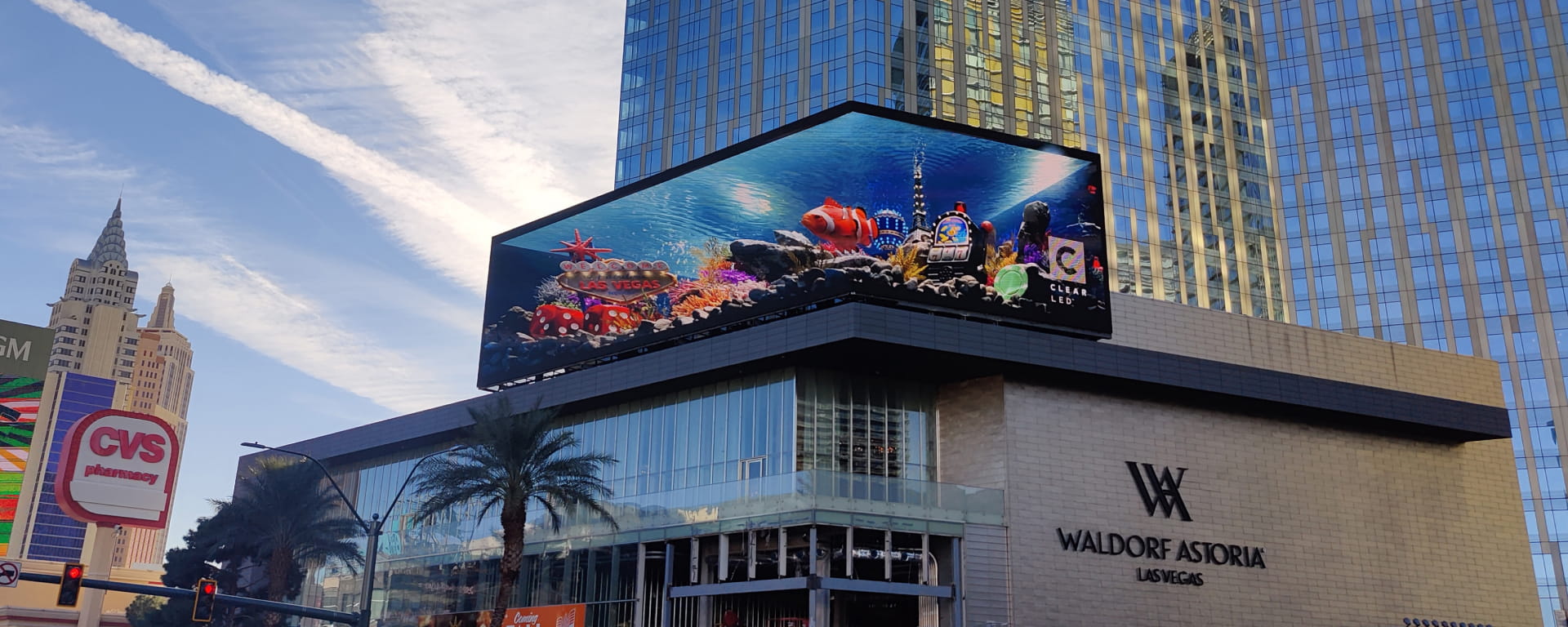

For many years, digital displays were treated as simple additions tobuildings. A large screen would be mounted onto a façade, often with little connection to the architecture around it. These installations served a purpose,but they rarely felt integrated with the building itself.
Today, that approach is beginning to change.
Across retail, corporate environments, and urban developments, designers are rethinking how digital media fits into the built environment. Instead ofviewing LED displays as stand alone signage, architects and developers are beginning to see them as part of the architectural language of a space.
The result is a shift from screens on buildings to buildings designed for media.
The Early Era of Digital Displays
When LED technology first became widely adopted, the focus was primarily on visibility and scale. Large billboards and video screens dominated high-traffic areas because they could capture attention from long distances.
These installations were effective from a marketing perspective, but architecturally they often felt disconnected. The display functioned independently from the building, almost like an object attached to the façade rather than something designed with it.
While this approach worked for advertising, it left little room for design integration.
The Limitations of “Screens on Buildings”
As cities and architecture evolved, the limitations of this model became more apparent.
Large opaque displays can block natural light, interrupt architectural lines, and overwhelm the surrounding design. In some cases, they even reducethe transparency that makes retail storefronts and public spaces inviting.
For architects and designers, this creates a challenge. Digital media offers powerful storytelling and branding potential, but when implemented poorly, it can compete with the architecture rather than enhance it.
This tension is what led to the next stage in digital architecture.
The Rise of Media Architecture
In recent years, a new approach has emerged. Instead of simply attaching screens to buildings, designers are beginning to integrate digital media directly into architectural surfaces.
This concept, often referred to as media architecture, treatslight and digital content as materials that work alongside glass, steel, and concrete.
Transparent LED systems, flexible display formats, and modular structures allow media to blend into the built environment rather than dominate it. During the day, these surfaces can remain subtle and open. At night, they can transform into dynamic communication layers.
The building itself becomes a canvas.
When Media Becomes a Design Material
One of the most significant shifts in this evolution is how designers think about media during the creative process.
Instead of asking, “Where should we place a screen?” the conversation becomes, “How can media support the story of this space?”
This perspective allows digital surfaces to complement architecture rather than compete with it. Content can follow the rhythm of a façade, highlight structural elements, or reinforce the identity of a brand or place.
In this context, light becomes part of the design vocabulary.
Collaboration Between Design and Technology
As digital media becomes more integrated into architecture, collaboration between disciplines becomes increasingly important.
Architects, system integrators, developers, and technology partners all play a role in shaping these environments. Successful projects often begin with a shared understanding that media is not simply an afterthought, but a layer that must be considered early in the design process.
When this collaboration happens effectively, the result is not just adisplay system, but an architectural experience.
The Future of Digital Surfaces
Looking ahead, the role of digital media in architecture will likely continue to expand.
Retail environments are transforming storefronts into dynamic brand experiences. Corporate spaces are using digital surfaces to communicate culture and identity. Urban developments are exploring how media façades can create landmarks that define a district.
In each case, the goal is not to overwhelm the building with technology, but to give it another way to express itself.
The most successful projects will be those where media feels like anatural extension of the architecture.
Because ultimately, the future of digital displays is not about bigger screens.
It is about thoughtful integration between architecture, light, andstorytelling.
At ClearLED, we believe the most powerful digital surfaces are the ones that enhance architecture rather than compete with it.
As media architecture continues to evolve, the opportunity is not simplyto install displays, but to create environments where technology and design work together to tell meaningful stories.